
I put down the phone and pick up the ladle.
While you were busy grinding meat for promotions, Italian grandmas were busy grinding meat to make homemade sausages. They were so busy taking long walks to the market, rolling out pasta dough, and stealing dips from the Mediterranean that they didn’t care about their wrinkles, apart from the fact that they had lived a long life and were well-earned.
And living like a nonna (which means grandma in Italian) may just be a Gen Z twist on the longevity pursuit of the “Blue Zones.”
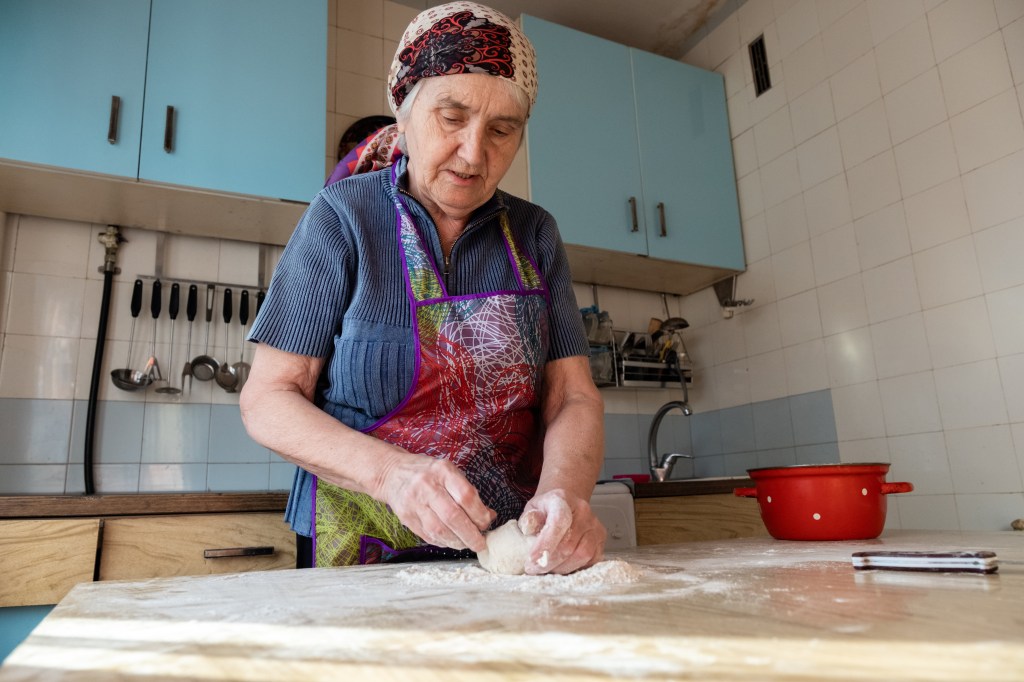
Social media users have recently embraced “Nonna Max Thing” as an antidote to living a hectic life as a young adult, burdened with the pressures of navigating an impossible job market, staying relevant online, and staying sane while the natural world around you is sacrificed on the altar of corporate greed.
But the Nonna fantasy is more than just a fad. From walking everywhere to eating more homemade meals with seasonal ingredients, many elements of the classic Nonna lifestyle have been proven to support longevity.
In fact, Italy has earned a reputation as a world leader in life expectancy, with parts of Sardinia classified as one of the world’s five blue zones, or places with the highest number of residents over 100 years old.
So what exactly does nonnamaxxing entail? According to an Instagram post from the brand Taro Twins, staple foods include extra virgin olive oil, fresh produce like tomatoes, dishes made with fats and oils, and meals that are “all homemade.”
The Mediterranean diet is often cited as a first choice for health, as it has been proven to reduce the risk of dementia, reduce the chance of developing diabetes, burn belly fat, and increase lifespan.
Other non-namaks necessities are long lunches with friends, opening windows to freshen the air in the house, smiling at strangers, and enjoying the “joy of doing nothing.”
The appeal of Nonna’s way of life, or at least the way Nonna lives her life as presented on social media, is its simplicity. And this is also a core tenant of the association with longevity.
Yes, eating habits are central to this lifestyle, and there are many well-researched health benefits to eating lots of home-cooked meals that adhere to the Mediterranean diet. But the secret to Nonna’s longevity goes far beyond the kitchen.
Social isolation has emerged as a leading cause of age-related health problems, from mental health to cardiovascular health to cognitive resilience.
Nonne sorted this out. These grandmothers tend to be pillars of their communities, providing childcare for their grandchildren, frequently walking around town, and spending long hours in cafes and public places.
These actions have real health consequences. A study earlier this year showed that caring for grandchildren can help older adults maintain their memory and language skills. The mindfulness associated with sitting and being present in a cafe can slow biological aging.
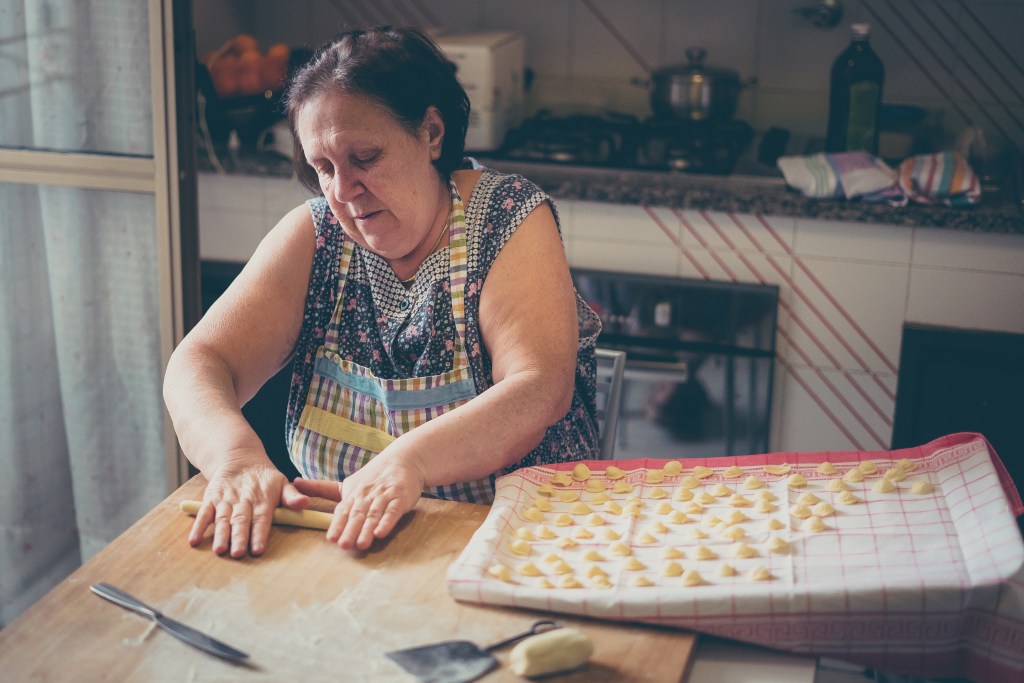
But if the de-namaxing trend has shown us anything, it’s that Gen Z prefers cute, aesthetically pleasing expressions to express their cynicism about 21st century youth.
In a recent conversation with SELF magazine, New York-based psychotherapist Jonathan Alpert said, “The appeal here is the illusion of a life that feels grounded, warm, and slow. Many young people are burned out by the pressure to constantly optimize themselves, be productive, and make their lives more fulfilling.”
Of course, our imaginary faults are not necessarily our real faults. What we think of as slow, easy, and simple is actually supported by many tasks, such as cooking for the family, cleaning, and caring for children.
So while some might think that the biggest lesson nonnes can teach us is to “just have fun,” it might actually be something else.
It may seem strange to run a pasta maker, but it’s necessary. Whether Nonna enjoys it or not, she has to do it. Her family has to eat.
Perhaps the secret to Nonna’s longevity is to concentrate labor and productivity more locally. To feed and nourish those in her own circle instead of seizing the approval of a billion strangers on the internet who haven’t specifically witnessed her life. Who can’t smell the sauce she spent hours making simmering on the stove?
#Blue #Zones #living #nonna #twist #key #longevity