
What used to be a quick stop at a pharmacy is now creating a national buzz. As the Ministry of Health and Human Services cracks down on prescription-only medicines, Belizeans are protesting, questioning why drugs they have been purchasing for years without a doctor’s note suddenly require one. Officials insist the rule is not new, but its strict enforcement raises new concerns about affordability, access and health care disparities. The department is reconsidering its approach amid mounting public pressure. Shane Williams takes a closer look at what’s driving the backlash and what it means for patients.
 Shane Williams, Report
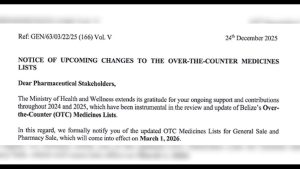
The move, which the Department of Health and Human Services says was to protect patients, has instead sparked a national debate. The ministry surprised many by abruptly enforcing a long-standing rule requiring a prescription for medicines Belizeans have long purchased over-the-counter, such as contraceptives and drugs to treat chronic diseases. Public outcry spread rapidly, with women, young people and patients dealing with long-term conditions warning that the rules could leave them unable to access treatment. Now, as pressure mounts, the department is pausing and reconsidering its next steps.

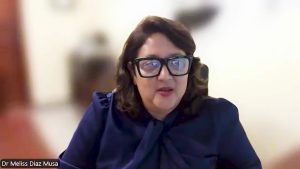
Melissa Diaz – Musa
Dr. Melissa Diaz Moussa, Director of Health Services, Ministry of Health
“When it comes to refills, I think I’ve said it before, but I’ll say it again: Refills can be done by your doctor or nurse. In some cases, we have something in the office that will give you a three-month supply of your birth control pills if all your concerns are addressed and there’s no problem with your birth control pills. So, I want to emphasize, it’s important that you don’t have to go to the doctor every time. You have a month to get your prescription.”
Director of Health Services Dr. Melissa Diaz Musa said it will ease the burden on patients because doctors can write prescriptions that last for several months.
 Dr. Melissa Diaz – Moses
“I would also like to note that we will be taking a phased approach for over-the-counter prescription medicines. We will also be phasing in over a 12-month period to ensure we have a full patient information campaign, opportunities to meet with pharmacists, and the opportunity to gain buy-in from all parties involved in ensuring patients have access to treatment.”
 Still, the country is already struggling with adolescent pregnancy, and advocacy groups warn that adding barriers to contraception could have serious consequences. According to the latest MICS data, the national youth birth rate is 58 births per 1,000 girls aged 15 to 19, with 13.4 percent of young women giving birth before the age of 18. Health advocates warn that creating barriers to contraception could make it more difficult for teens to access contraception and could cause those numbers to rise rather than fall.
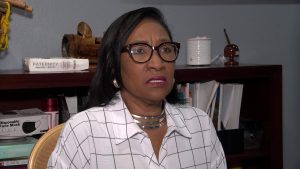
joan burke
Joan Burke, BFLA Executive Director
“My response is also an appeal to decision-makers to reconsider this, because if we look back now at the last census and the last survey that was done to look at unmet need for family planning, the unmet need was 15 percent, and we see that rate is only going to increase, especially when you compare it to other Caribbean countries and Central America.”
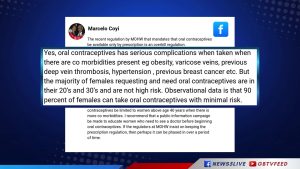 Medical experts are also pushing back against what they call exaggerated fears about birth control. Gynecologist Dr. Marcello Coy said on Facebook today that more than 90% of women can safely use contraceptives. Although there are some risks for women with certain health conditions, he has called for a gradual rollout of prescribing rules combined with strong public education, an approach that the Department of Health and Human Services now appears to support.
Dr. Melissa Diaz-Moses
“One thing I can say here is that we were not aware of the number of people who go to a pharmacy and buy prescription drugs without a prescription. And two, we did not carry out the number of consultations that we needed to make to educate the public about the difference in the importance of getting a prescription for over-the-counter and prescription-only medicines. There should have been a massive public health campaign alongside discussions with shopkeepers and pharmacy associations, and this is acknowledged here today.”
 The ministry’s proposed 12-month phase-in was intended to buy time for public education and consultation with pharmacists and other key stakeholders. But now another flashpoint is attracting attention. It is enforcing rules that prohibit children under 12 from purchasing drugs. In many families in Belize, that work is often taken over by grandchildren who pick up medicine for elderly relatives who cannot easily get to the pharmacy. Critics worry the rules could unintentionally penalize families just trying to make ends meet. Officials maintain that the regulations are not new, but acknowledge that how they are enforced can make a big difference. News Five’s Shane Williams.
Note to readers: This online newscast is a verbatim transcription of the evening’s television broadcast. When speakers used Kriol, we carefully rendered the words using a standard spelling system.
Watch the full newscast here:
Post views: 700